Same Street, Different Fortune: How Micro-Location Decides Which Homes on a Block Win
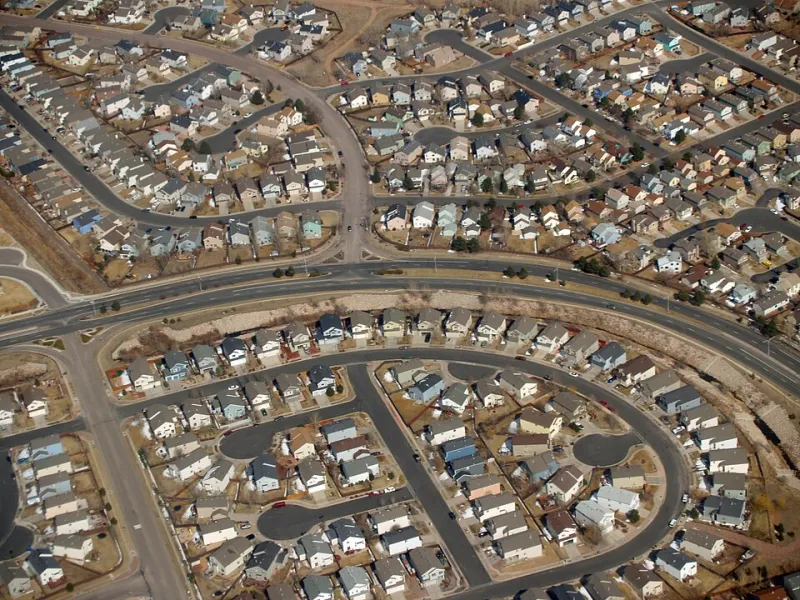
Photo: David Shankbone, CC BY-SA 3.0, via Wikimedia Commons
Buyers are told, from their first day in the market, that the three rules of real estate are location, location, location. What the mantra leaves out is that location operates at more than one scale. A ZIP code can be excellent while a specific lot within it is mediocre, and vice versa. In practice, the gap between the best-positioned house on a street and the worst-positioned one often exceeds the gap between two adjacent neighborhoods.
At House & Howell, we spend a great deal of time with clients who have narrowed their search to the right subdivision but have not yet learned to read the lots inside it. This guide is about that second, finer layer of judgment.
Why Two Houses on the Same Block Diverge
Appraisers group comparable sales by neighborhood, but the market does not price every lot equally. Consider the forces at work within a single subdivision:
- Traffic exposure. A home backing onto an arterial road or a school drop-off route absorbs noise, headlights, and exhaust that a mid-block interior lot never sees. The difference is measurable: homes adjacent to high-traffic corridors routinely transact at a discount of five to ten percent against quiet interior counterparts.
- Sunlight and orientation. A south-facing rear yard in most of the United States captures usable outdoor light through the seasons. A north-facing yard sits in shadow for much of the day, which affects everything from garden choices to winter heating loads to how often the family actually uses the patio.
- Drainage and topography. Lots at the low point of a subdivision collect water. Lots on a grade may offer views but also stairs, erosion, and snow-removal challenges. Neither is disqualifying, but both should be priced in.
- Proximity to noise generators. Pool clubhouses, dumpsters, playgrounds, and fire stations all have a radius of effect. A playground fifty feet from your bedroom window is a very different amenity than one two blocks away.
None of these factors appears in the listing description. All of them appear in the eventual sale price.
Reading a Lot Before You Buy It
The good news is that micro-location is highly legible if you know where to look. We recommend the following sequence for any serious candidate property.
Visit at Three Times of Day
A single afternoon showing tells you almost nothing. Return in the early morning to catch commuter traffic and school buses, and again after dark to observe headlight sweep, street noise, and neighborhood activity. Weekend evenings reveal patterns weekday visits never will.
Stand in the Yard and Listen
Close your eyes for sixty seconds in the backyard. Highway hum, HVAC units from a neighboring commercial property, barking dogs, and flight paths all surface quickly. Sound travels differently at night and in winter; a quiet summer morning can become a loud January evening.
Map the Sun Path
Use any compass application on your phone. Determine which direction the primary living spaces and the yard face. In northern states, a south-facing exposure is a genuine asset; in Sun Belt markets, western afternoon sun can make west-facing glass an air-conditioning liability worth tens of thousands in lifetime cooling costs.
Trace the Water
Look for downspout extensions, sump pump outlets, graded swales, and standing stains on fences. If the lot sits below neighboring grade, ask directly about drainage history and check whether the property lies in a FEMA flood zone — insurance premiums alone can erase an apparent bargain.
Count the Driveways Between the Arterial and the Door
The further a home sits from a collector road, the quieter the traffic and the safer the street for children. Corner lots complicate this rule: they offer larger setbacks and side yards but inherit cross-traffic, sidewalk snow obligations, and sightline fencing restrictions in many municipalities.
Which Lots Appreciate Faster
Within a healthy neighborhood, certain lot characteristics consistently outperform:
- Cul-de-sac and mid-block interior positions on quiet streets, particularly those backing to green space, conservation land, or a golf corridor that cannot be developed.
- Lots with a permanent buffer — a tree line, a creek easement, or a community trail — rather than a buffer that depends on an undeveloped parcel's future zoning.
- South- or southeast-facing rear yards in most US latitudes, which extend the usable outdoor season and photograph better at resale.
- Homes set back from the street on wider lots, where the extra frontage creates both privacy and future expansion potential.
Conversely, be skeptical of the cheapest house in a subdivision if the discount reflects the lot rather than the structure. Cosmetic flaws can be renovated; a road behind the fence cannot be moved.
Pricing the Difference
When you find the right house on the wrong lot, the lot deficit is your negotiating leverage — the same principle that applies to inspection findings. Pull comparable sales within the subdivision itself, not just the broader area, and isolate transactions that share lot characteristics with your target property. If backing-to-busy-road homes in the development have consistently sold eight percent below interior comparables, that figure belongs in your offer conversation, supported by data rather than opinion.
The Takeaway
Neighborhood selection gets the attention because it is easier: rankings, school ratings, and commute maps are all a click away. Lot selection requires boots on the ground, a compass, and a willingness to visit a property at inconvenient hours. But it is precisely this diligence that separates buyers who merely find a good neighborhood from those who secure the best position within it — and that distinction compounds, quietly and reliably, for as long as you own the home.