Cheap for a Reason: Seven Red Flags That Turn a Deal Into a Drain
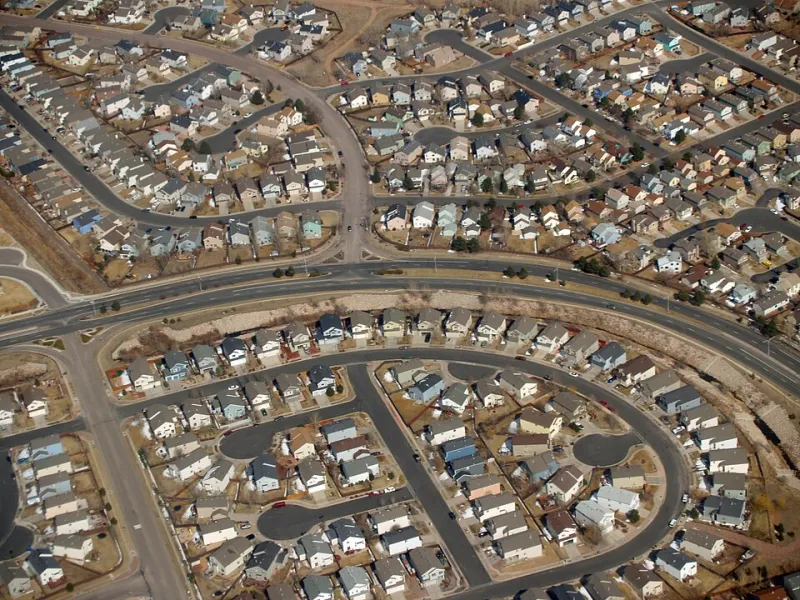
Photo: Amanda Bicknell, Public domain, via Wikimedia Commons
Every buyer remembers the first house that felt like a steal — the price that seemed like a typo, the listing that made you recalculate your budget on the drive home. Experienced agents remember those houses differently. They remember what the price was compensating for.
Below-market pricing is not always a trap. Estates, relocations, and distressed sellers create genuine bargains. But a discount can also be the market's way of pricing in a problem the photos were cropped to hide. Here are seven signs to run down before you sign anything.
1. Doors That Don't Close True and Floors That Slope
Bring a marble or a level app to every showing. Doors that swing open on their own, baseboards that gap from the wall, and floors that visibly tilt toward one corner can indicate foundation settlement. Minor settling is common and often cosmetic; differential movement — where one part of the house sinks faster than another — is not. Ballpark repair cost: $5,000 for minor piering to $30,000 or more for serious underpinning.
2. DIY Electrical Work With a Signature Style
Open the electrical panel if the seller permits. Look for mismatched breakers, wires twisted with electrical tape instead of wire nuts, and outlets that lack the little ground holes. Scorch marks around outlets are self-explanatory. Amateur electrical work is both a fire hazard and an insurance problem — some carriers will refuse or surcharge a policy until it's corrected. Ballpark repair cost: $1,500–$4,000 to remediate a panel and problem circuits; far more if the house needs full rewiring.
3. Fresh Paint in Exactly One Room, Or One Ceiling Patch
Sellers stage with paint; that's normal. What deserves suspicion is a single freshly painted ceiling patch, one new drywall section, or a basement corner painted a slightly different white. These often cover active or recent water intrusion. Ask directly about the patch and check for a musty smell — your nose is a better inspector than most gadgets. Ballpark repair cost: $2,500–$10,000 depending on the source and whether mold remediation is needed.
4. Windows Painted Shut and Fogged Double Panes
Try opening windows. Ones painted shut or swollen out of their frames suggest long-term moisture problems or simple neglect that multiplies across the whole house. Condensation between panes means failed seals — each window becomes a $300–$600 replacement. Multiply by the house.
5. A Water Bill That Doesn't Match the House
Sellers in some states must disclose utility costs; ask regardless. If a 2,500-square-foot house shows suspiciously low summer electric bills, the answer may be a failing HVAC system that barely runs — or an owner who simply endured the discomfort. If water bills are high, suspect hidden leaks in supply lines or irrigation. Ballpark repair cost: a full HVAC replacement runs $7,000–$15,000.
6. Grading That Points the Wrong Way
Walk the perimeter. Soil should slope away from the foundation; soil that slopes toward it funnels every rainstorm into the basement. Look for gutters that dump beside the foundation and downspouts that end nowhere. This is the cheapest problem on the list to fix and one of the most expensive to ignore. Ballpark repair cost: $500–$5,000 for regrading and drainage, versus tens of thousands for chronic water damage.
7. A Price That's Low for the Street, Not the Market
Finally, the meta-signal. If comparable homes on the block list $80,000 higher, the seller's agent likely knows something. Pull the property's permit history — most county offices have it online. A string of unpermitted additions or repairs is a warning label the listing won't include, and unpermitted work can complicate financing, insurance, and resale.
Run the Real Numbers
None of these flags necessarily means walk away. They mean the bargain price is not the price. Build a repair estimate, add 20% for the surprises you can't see yet, and subtract it from your offer. If the numbers still work, you may have found a genuine deal — one you earned by looking past the paint.