Designing for the Long Haul: How Aging-in-Place Upgrades Protect Your Home Investment
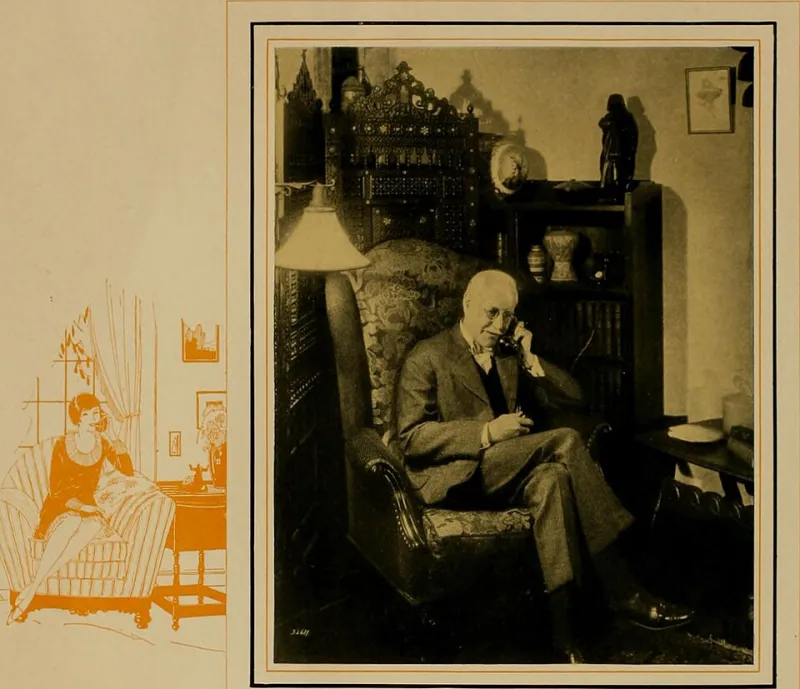
Photo: Internet Archive Book Images, No restrictions, via Wikimedia Commons
There is a quiet revolution underway in American residential real estate, and it is taking place not in new construction but within the walls of homes already occupied. Millions of homeowners—many of them baby boomers, but increasingly members of younger generations planning ahead—are investing in modifications that allow them to remain in their homes comfortably and safely as their physical needs evolve over time.
The AARP estimates that nearly 90 percent of adults over the age of 65 prefer to remain in their current homes as they age rather than transition to assisted living or other care facilities. That preference, combined with a national shortage of accessible housing stock, has created a robust and growing market for aging-in-place renovations. What makes these investments particularly compelling from a real estate perspective is that they serve a dual purpose: improving daily livability for current occupants while simultaneously expanding the pool of future buyers who can envision themselves in the property.
Understanding Universal Design
The foundation of any aging-in-place strategy is the principle of universal design—an architectural and interior design philosophy that prioritizes spaces usable by people of all ages, body types, and physical abilities without the need for specialized adaptation.
Universal design is not synonymous with institutional aesthetics. A well-executed universally designed home looks and feels like any other well-appointed residence. The difference lies beneath the surface: in doorway widths, floor level transitions, fixture heights, and spatial planning that accommodates a range of physical capabilities without telegraphing limitation.
For homeowners, embracing universal design means making choices that will serve them across multiple life stages—and that will resonate with buyers ranging from young families with strollers to older adults seeking accessible living. This broad appeal is precisely what makes these modifications a sound real estate investment rather than a purely personal expenditure.
High-Impact Modifications Worth Considering
Single-Floor Living Layouts
Perhaps the most consequential aging-in-place modification a homeowner can pursue is the creation of a functional single-floor living arrangement. Stairs represent the single most significant physical barrier for older adults and individuals with mobility limitations. A home that places the primary bedroom, a full bathroom, the kitchen, and primary living areas all on one level removes that barrier entirely.
For two-story homes, this may involve converting a first-floor den or study into a primary bedroom suite, adding a full bath on the main level, or—in more extensive renovations—installing a residential elevator or stair lift. The cost of such modifications varies widely, but the return in usability and marketability can be substantial. Listings that explicitly highlight main-floor primary bedroom suites consistently attract broader buyer interest across age demographics.
Bathroom Accessibility
Bathrooms are statistically the most hazardous room in the home for older adults, accounting for a disproportionate share of domestic falls and injuries. Targeted modifications in this space offer some of the strongest combinations of safety benefit and resale appeal.
Key bathroom upgrades include:
- Walk-in or roll-in showers with zero-threshold entry, eliminating the step over a traditional tub surround
- Grab bars installed at appropriate load-bearing points near the toilet, shower, and tub—ideally integrated into the design rather than added as afterthoughts
- Comfort-height toilets, sometimes called ADA-compliant height, which are easier to use for people of varying mobility levels and are widely preferred by buyers of all ages
- Handheld shower heads on adjustable slide bars, which offer flexibility for seated bathing and general convenience
- Non-slip flooring that provides traction without sacrificing visual appeal
A professionally renovated accessible bathroom is not a liability in a resale context. In most markets, updated bathrooms with clean, modern accessible features are viewed positively by buyers who may never have considered their own aging needs but recognize quality and thoughtful design.
Wider Doorways and Improved Circulation
Standard interior doorways in American homes are typically 28 to 30 inches wide—insufficient for wheelchair or walker access. ADA guidelines recommend a minimum of 32 inches of clear width, with 36 inches considered more comfortable for mobility device users.
Widening doorways is a moderately invasive renovation, but in older homes where doorways are already being updated for other reasons, the incremental cost of adding a few inches of clearance is relatively modest. The benefit extends beyond mobility device users: wider doorways simply feel more generous and are easier to navigate when moving furniture, carrying groceries, or managing with a young child in arms.
Smart Home Technology as a Longevity Tool
The intersection of smart home technology and aging-in-place planning is one of the most rapidly evolving areas in residential real estate. Voice-activated controls, automated lighting, smart locks, video doorbells, and remote monitoring systems collectively reduce the physical demands of home management and enhance safety for occupants with limited mobility.
For homeowners considering these investments, the key is prioritizing systems that are genuinely useful across all life stages rather than specialized medical equipment. A smart thermostat, for instance, offers convenience to everyone in the household while also benefiting an older occupant who might struggle to adjust traditional controls. Smart lighting with motion activation reduces fall risk in nighttime navigation without requiring any behavioral change from the occupant.
From a resale perspective, smart home features have demonstrated consistent buyer appeal across age groups. A home equipped with modern automation is perceived as updated and well-maintained, regardless of the original motivation for installing those systems.
The Investment Case: Resale Value and Buyer Pool Expansion
Skeptics of aging-in-place renovations sometimes question whether accessibility modifications will limit a home's appeal by signaling that it was configured for someone with physical limitations. The evidence from real estate markets suggests the opposite is true when modifications are well-executed and aesthetically integrated.
Consider the math: approximately 10,000 baby boomers turn 65 every day in the United States. This generation controls a substantial share of national wealth and represents an enormous segment of the active buyer market. A home that accommodates their preferences and practical needs without requiring significant additional investment on their part is a more attractive purchase.
Moreover, young families frequently prize many of the same features: single-floor living reduces the anxiety of young children on stairs, wide doorways accommodate strollers, and lever-style door handles are easier to manage with full hands. Universal design, by definition, serves everyone.
Homeowners should approach aging-in-place renovations as they would any value-adding improvement: with attention to quality of execution, coherence with the home's existing design language, and an understanding of what comparable properties in their market are offering.
Planning Ahead: When to Start
The most common mistake homeowners make with aging-in-place planning is waiting until a need is urgent. Renovations undertaken reactively—following a fall, a medical event, or an acute mobility change—are often more expensive, less thoughtfully designed, and more disruptive than those planned deliberately over time.
The ideal approach is to treat aging-in-place modifications as a phased investment strategy, beginning with the highest-impact, lowest-cost improvements and progressing to more substantial structural changes as resources and circumstances allow. A consultation with a Certified Aging in Place Specialist (CAPS)—a designation offered through the National Association of Home Builders—can provide a professional assessment of a specific property's modification priorities.
Building a Home That Works for Every Chapter
At House & Howell, we believe that the best real estate investment is one that serves you fully across the arc of your life—not just at the moment of purchase. A home designed with longevity in mind is not a compromise. It is a reflection of clear-eyed planning, genuine comfort, and the wisdom to build a future that accommodates whatever it may hold.